Formal Wear Returns Policy Tips: A 2026 Guide

Table of Contents
- What Makes Formal Wear Returns Different From Regular Clothing
- Understanding Your Consumer Guarantees Act Returns Rights
- Change of Mind Return Policy: What Retailers Must and Need Not Offer
- How to Initiate a Formal Wear Return: Step-by-Step
- Formal Wear Refund Policy Template: What Good Looks Like
- Impact of Dry Cleaning and Alterations on Return Eligibility
- International Orders and Cross-Border Return Complexities
- Conclusion
Last Updated: August 13, 2026
Formal wear returns are more complicated than returning a t-shirt, and most shoppers find this out the hard way. At SimonVon Shop, we field questions about formal wear returns regularly, and the same issues come up again and again: suits returned after a wedding, waistcoats sent back without tags, jackets that have been dry cleaned. This guide cuts through the confusion so you know exactly where you stand before and after you buy.
The stakes are higher with formal wear because the garments cost more, the events are time-sensitive, and retailers have stronger grounds to reject returns. Understanding the rules upfront protects your purchase.
What Makes Formal Wear Returns Different From Regular Clothing
Formal wear returns sit in a different category from everyday clothing returns. Evening wear attracts stricter scrutiny because these garments are frequently purchased for a single occasion and returned immediately after. Retailers know this, and their return policies reflect it.
The merchandise condition standards are tighter. A suit jacket that has spent four hours at a gala will show it: pressed creases, deodorant marks, cologne, and fabric stress at the seams. Retailers conducting garment inspection look for all of these. Packaging integrity matters too, returning a jacket stuffed into a courier bag with original packaging discarded is a common reason retailers decline returns.
Return Logistics for Delicate Fabrics
Delicate fabrics used in formal wear, including silk, wool blends, and structured linings, require specific handling during the return process. Folding a structured suit jacket incorrectly can permanently crease the canvas lining.
When preparing a formal wear return, follow these steps for delicate garments:
- Hang jackets and trousers on shaped hangers before repacking
- Fold shirts along their original press lines only
- Place silk accessories flat between tissue paper, not folded
- Use the original garment bag where possible, never a plastic carrier bag
- Do not use rubber bands or tight clips on any fabric
Shipping delicate formal wear requires a rigid outer box to protect the garment bag from compression during transit. Many retailers will not accept liability for damage caused by inadequate return packaging, so the responsibility for safe return shipping rests with the customer.
Understanding Your Consumer Guarantees Act Returns Rights
Consumer rights for formal wear returns in New Zealand are governed by the Consumer Guarantees Act 1993. This Act provides specific protections that apply regardless of what a retailer's terms and conditions say. A retailer cannot contract out of the Act for consumer purchases.
Under the Act, goods must be of acceptable quality, fit for purpose, match their description, and match any sample shown. If a suit arrives with a defective zip, seams that split on first wear, or fabric that does not match the product description online, the Act provides a remedy. For minor faults, the retailer can choose to repair, replace, or refund. For major faults, you have the right to reject the goods and receive a full refund.
Returning Faulty Clothing Rights Under the Act
A "faulty product" includes garments that fail to meet acceptable quality standards within a reasonable time of purchase. If a suit jacket's lining separates after one wear, or trouser stitching fails at a seam within weeks of purchase, these are legitimate faults under the Act. The retailer cannot refuse a remedy by pointing to their own return policy if that policy offers less than the Act requires.
Keep your proof of purchase, whether that is an order confirmation email or a receipt. You will need it to initiate any claim under the Act.
Change of Mind Return Policy: What Retailers Must and Need Not Offer
Retailers are not legally required to accept change of mind returns. The Consumer Guarantees Act only covers faults, not buyer's remorse. If a suit arrives in perfect condition and matches its description, but you simply decide you do not want it, the retailer has no legal obligation to take it back.
Most reputable retailers offer a voluntary change of mind return policy as a matter of customer satisfaction. These policies typically include a return window of 14 to 30 days from the purchase date, a requirement that items are in unworn condition with original tags attached, and an exchange policy or store credit rather than a cash refund.
Final sale items are excluded from change of mind returns entirely. Always check the terms and conditions before purchasing a discounted formal piece.
Your strongest return rights apply to faulty products. Change of mind returns are a courtesy, not a right, and formal wear retailers apply stricter conditions to them than general clothing retailers do.
How to Initiate a Formal Wear Return: Step-by-Step
Initiating a formal wear return correctly the first time avoids delays and reduces the chance of rejection. Most retailers require a return authorisation before they will accept a parcel, so contacting the retailer before posting anything is essential.
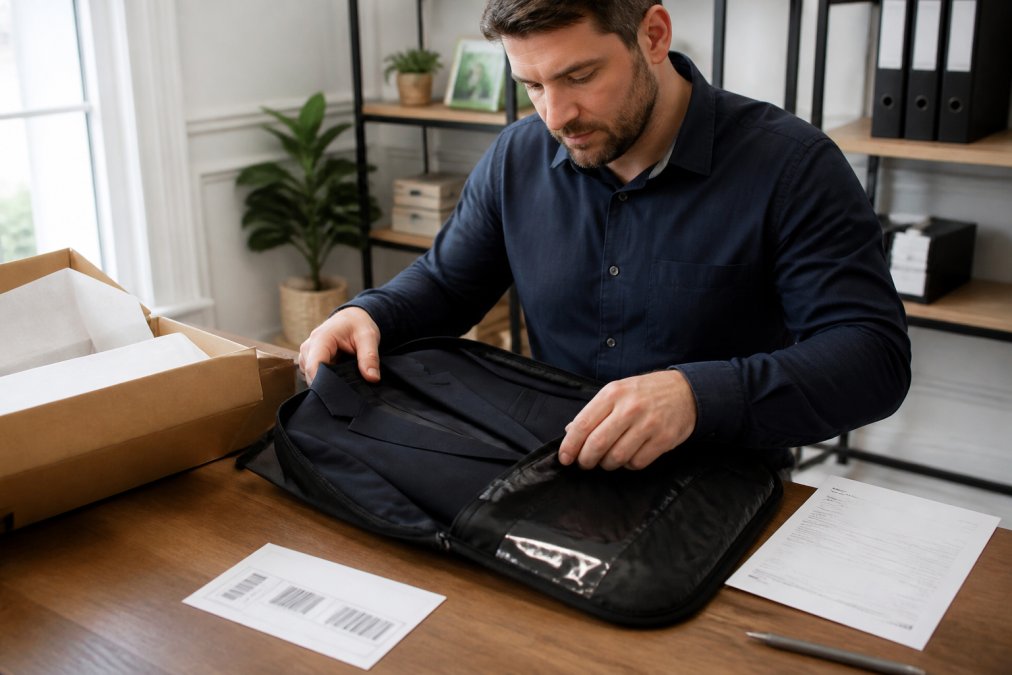
Follow these steps for a smooth return process:
- Check the return window. Confirm you are within the retailer's stated return period from the purchase date. Most formal wear retailers set this at 14 to 30 days.
- Locate your proof of purchase. Find your order confirmation email or receipt. You will need the order number.
- Contact the retailer. Use the retailer's return portal, email, or contact form to request a return authorisation. Do not post the garment without this step.
- Photograph the garment. Before repacking, photograph the item showing its condition, tags, and any fault you are claiming.
- Repack carefully. Follow the delicate fabric guidelines above. Use the original packaging where possible.
- Attach the shipping label. Use the label provided by the retailer and keep the tracking number.
- Post and track. Send the parcel and monitor tracking until the retailer confirms receipt.
- Follow up on refund processing. Most retailers process refunds within 5 to 10 business days of receiving the return.
Condition, Tags, and Packaging Requirements
For a change of mind return to be accepted, the item must be in unworn condition with all original tags attached. Tags must be in their original position, not reattached after removal. Many retailers use security tags specifically designed to show if they have been tampered with.
Packaging requirements vary, but the general standard is that the item should be returned in the same condition it arrived, including the garment bag, tissue paper, and any accessories included with the order.
Return Shipping Costs and Who Pays
For change of mind returns, the customer generally pays return shipping costs. For faulty product returns under the Consumer Guarantees Act, the retailer is responsible for return shipping costs. If a retailer asks you to pay shipping on a confirmed fault, you can request reimbursement.
Formal Wear Refund Policy Template: What Good Looks Like
A transparent formal wear refund policy tells you everything you need to know before you buy. Here is what a well-structured policy includes:
| Policy Element | What Good Looks Like |
|---|---|
| Return window | 14-30 days from purchase date, clearly stated |
| Condition required | Unworn, original tags attached, original packaging |
| Faulty items | Full refund or replacement, return shipping covered |
| Change of mind | Store credit or exchange, customer pays return shipping |
| Non-returnable items | Final sale items listed explicitly |
| Return process | Clear instructions: return portal or contact email |
| Refund processing time | Stated timeframe, typically 5-10 business days |
| Proof of purchase | Order confirmation or receipt required |
Return Policy Red Flags to Watch Before You Buy
These red flags should prompt you to read more carefully or shop elsewhere:
- No return window stated. A policy that says "returns accepted" without specifying a timeframe is unenforceable.
- "All sales final" applied broadly. Some retailers apply this to their entire range, removing your change of mind option entirely.
- Return shipping at your cost for faulty items. This contradicts your rights under the Consumer Guarantees Act.
- No return authorisation process. Retailers that ask you to post items without authorisation have no obligation to acknowledge receipt.
- Restocking fee on formal wear. This is unusual and worth questioning.
- No mention of the Consumer Guarantees Act. Reputable retailers acknowledge their obligations under the Act.
Impact of Dry Cleaning and Alterations on Return Eligibility
Dry cleaning a formal garment before returning it almost always voids your return eligibility for change of mind returns. From the retailer's perspective, a dry-cleaned garment cannot be verified as unworn.
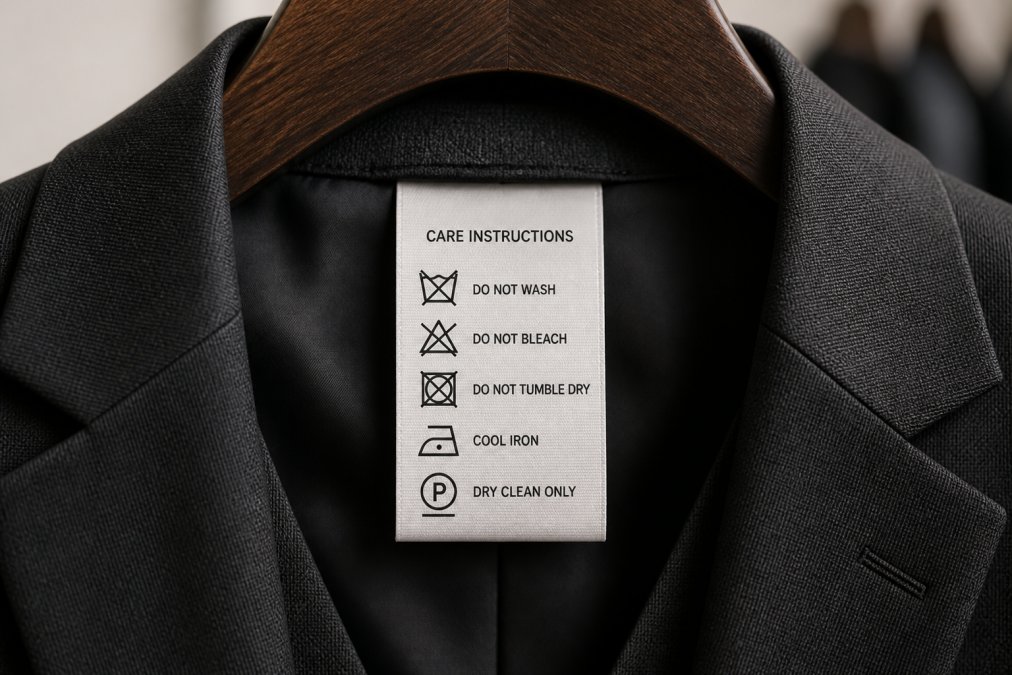
Alterations are even more definitive. A suit that has been taken in at the waist or had the trousers hemmed cannot be returned to stock. Once a garment has been altered, it is yours.
Do not dry clean or alter any formal garment until you are certain you are keeping it. If you suspect a fault, photograph it and contact the retailer before taking any cleaning or alteration action.
International Orders and Cross-Border Return Complexities
Purchasing formal wear from an overseas retailer introduces complexity that domestic purchases do not carry. Your Consumer Guarantees Act rights apply to purchases from businesses that sell to consumers in New Zealand, but enforcing those rights against an overseas retailer is significantly harder in practice.
Return shipping costs for international orders can be substantial. Many international retailers exclude return shipping costs from their policy for international customers, leaving the buyer to absorb the full cost. Customs and duties may also apply to returned goods, which the retailer may deduct from your refund.
The Consumer Protection guidance on international online shopping notes that resolving disputes with overseas retailers is more difficult and may require assistance from overseas consumer agencies. For formal wear specifically, purchasing from a domestic retailer gives you clearer rights and far simpler logistics if something goes wrong.
For shoppers buying suits, waistcoats, or accessories for weddings, school balls, or formal events, SimonVon Shop offers a curated range of premium menswear including three-piece suits, vest sets, and accessories, all available domestically. The Men's 3-Piece Suit Set in Burgundy and the Luxury Dark Red Black Paisley Silk Vest Set are popular choices for events where fit and presentation matter. Buying domestically means your consumer rights are clearer, your return logistics are simpler, and your delivery timeframes are predictable.


As documented in the Commerce Commission's guidance on fair trading obligations, retailers operating in New Zealand must present their return policies clearly and cannot mislead consumers about their rights. If a retailer's return policy contradicts the Consumer Guarantees Act, the Act prevails.
Navigating formal wear returns is genuinely more complex than most shoppers expect, particularly when delicate fabrics, time-sensitive events, and change of mind situations are involved. SimonVon Shop makes the process straightforward with a domestic-first approach, clear product descriptions, and a range of premium formal wear including slim-fit suits, waistcoat sets, and accessories that are accurately represented so you know what you are getting before it arrives. Shop the full collection at SimonVon Shop and buy with confidence knowing exactly where you stand.
Frequently Asked Questions
Can a business refuse to give a refund under the Consumer Guarantees Act?
A retailer can refuse a refund if you simply changed your mind, as the Consumer Guarantees Act does not require them to accept change-of-mind returns. However, if the formal wear is faulty, does not match its description, or is not fit for its intended purpose, the retailer must provide a remedy. That remedy can be a repair, replacement, or refund depending on whether the fault is minor or major. Retailers cannot contract out of these obligations when selling to consumers.
Can I return formal wear if I have simply changed my mind?
There is no legal right to return clothing purely because you changed your mind. Whether a retailer accepts change-of-mind formal wear returns depends entirely on their own policy. Many set strict conditions: the garment must be in unworn condition, original tags must be attached, and the return must be made within the stated return window from the purchase date. Always check the terms and conditions before buying, especially for event-specific items like suits and waistcoats.
What should I look for in a formal wear return policy before purchasing?
Check the return window duration, whether the policy covers change-of-mind returns, and who pays return shipping costs. Look for clear conditions around unworn condition and original tags. Be cautious of final sale designations on formal attire, vague language around restocking fees, and policies that only offer store credit rather than a refund. A transparent policy will also explain how to obtain a return authorisation and how long refund processing takes after the retailer receives the item.
What are my rights if a formal dress or suit is faulty?
Under the Consumer Guarantees Act, you are entitled to a remedy when clothing arrives faulty, damaged, or not as described. For a major fault, you can choose a full refund or replacement. For a minor fault, the retailer may choose to repair the item first. Keep your proof of purchase, photograph the fault clearly, and contact the retailer promptly. These rights apply regardless of what the retailer's own returns policy states and cannot be waived.
This article was written using GrandRanker