
How to Care for Cotton Dress Shirts So They Last

Last Updated: November 12, 2026
Quick Summary
Care for cotton dress shirts by washing them in cold or lukewarm water on a gentle cycle with mild liquid detergent, skipping bleach and fabric softener, and air drying on a hanger instead of tumble drying. Treat collars and cuffs before every wash, and iron with steam on a medium setting to prevent shrinking and keep the fabric crisp.
- Check the care label inside the collar or side seam before the first wash.
- Pre-treat collar and cuff stains with mild detergent and let sit 15 minutes.
- Wash a shirt worn against the skin after every wear; over an undershirt, two wears.
- Never wring a shirt by hand; let the gentle spin cycle do the work.
- Iron the collar first from the points inward, then cuffs, sleeves and body.
Table of Contents
- Reading the Care Label Before You Wash
- How to Wash Cotton Dress Shirts Without Damage
- How Often to Wash Dress Shirts by Wear and Season
- How to Prevent Cotton Shirts from Shrinking
- How to Iron a Cotton Dress Shirt for a Crisp Finish
- Troubleshooting Common Cotton Shirt Problems
- Choosing Cotton Dress Shirts That Hold Up to Regular Washing
- Frequently Asked Questions
Reading the Care Label Before You Wash
The care label is the single most useful piece of information on a cotton dress shirt.
Plenty of shirts are ruined by guesswork. Most people assume all cotton behaves the same. It doesn't.
A 100% cotton shirt can usually take a warm machine wash. A cotton-silk blend, like our White Solid Men's Long Sleeve Dress Shirt- CY-1309, needs a gentler approach.
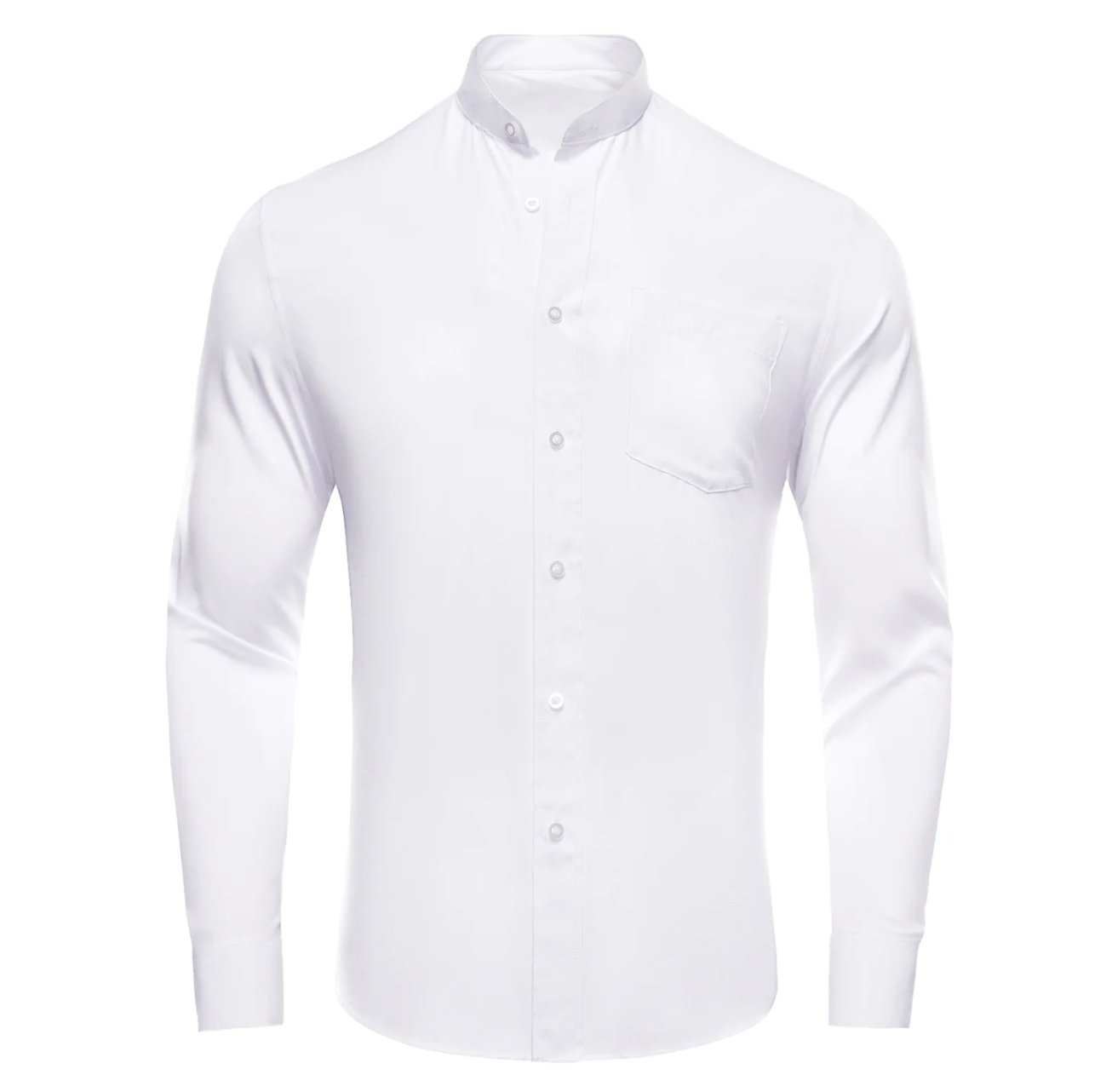
Check the label inside the collar or side seam before every first wash.
Care Label Symbols Explained
Care label symbols are a standard set of washing, bleaching, drying and ironing icons printed on a small tag inside the shirt. Each icon translates to a setting on your machine, iron or drying rack.
- Washtub with a number: the maximum water temperature in Celsius. A tub with 30 means a cool wash no hotter than 30°C; 40 means warm up to 40°C; a hand inside means hand wash only.
- Triangle: bleaching. Empty allows bleach; crossed means none. On cotton dress shirts, treat a crossed triangle as firm, chlorine bleach weakens fibres and yellows white cotton.
- Square with a circle: tumble drying. One dot is low heat, two is medium; a cross means air dry only.
Snap a photo of the label the first time you wash a new shirt. It saves squinting at a faded tag six months later.
Turning the Label into a Washing Machine Setting
The label gives you limits, not a recipe. Here is how to translate the common combinations into a real wash:
| Label shows | What it means at the machine | Practical setting |
|---|---|---|
| Tub 40, crossed triangle, iron two dots | Warm wash, no bleach, medium iron | 40°C gentle cycle, mild liquid detergent, air dry or low tumble |
| Tub 30, crossed triangle, iron one dot | Cool wash, no bleach, cool iron | 30°C delicate cycle, colour-safe detergent, air dry |
| Tub with a hand, crossed triangle | Hand wash only | Basin of cool water, mild detergent, rinse and press in a towel |
| Tub 40, empty triangle, iron three dots | Warm wash, bleach allowed, hot iron | Still skip chlorine bleach on cotton you want to keep; use oxygen-based brightener |
A label that allows bleach does not mean bleach is a good idea. On cotton dress shirts, oxygen-based stain removers brighten whites without chlorine's fibre damage.
If the label is missing or unreadable, treat the shirt as 100% cotton: cool wash, gentle cycle, mild detergent, air dry, and a medium iron with steam. That default is safe for most woven cotton shirts.
How to Wash Cotton Dress Shirts Without Damage
Washing a cotton dress shirt properly takes about ten minutes of hands-on work: prepare the shirt, use cool or lukewarm water, choose a gentle cycle, and skip harsh chemicals.
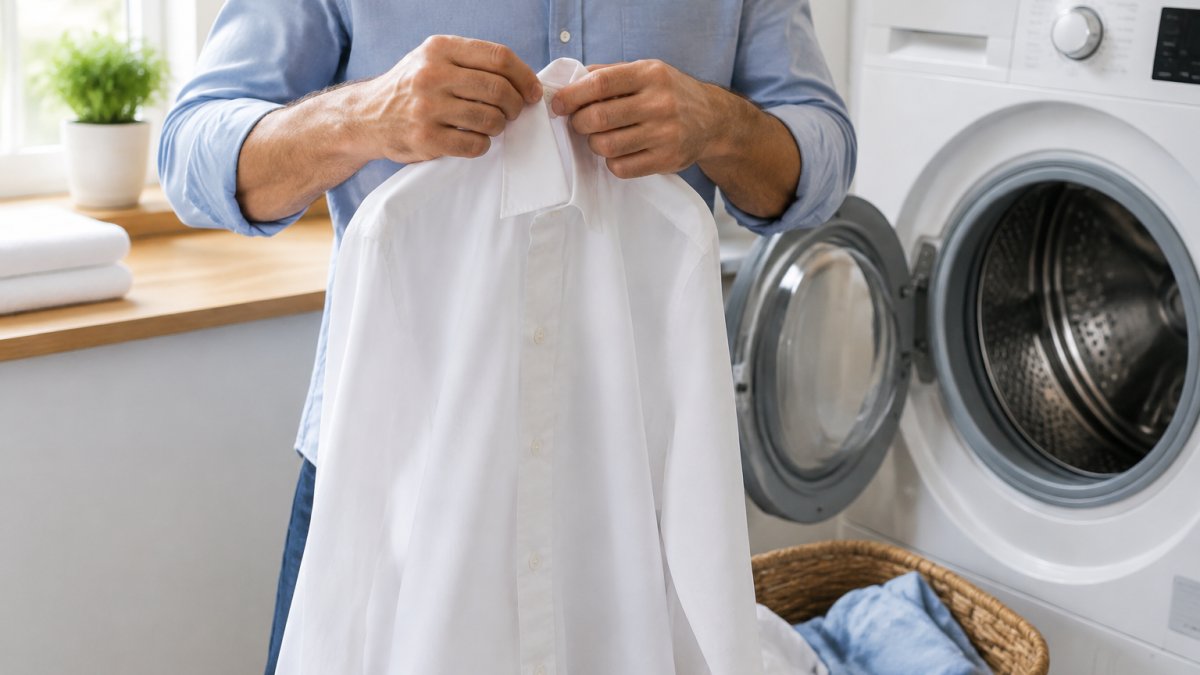
Follow these steps:
- Empty the pockets and close all buttons. Unbutton the collar and cuffs so the fabric relaxes.
- Turn the shirt inside out. This protects the outer surface from friction and fading.
- Pre-treat the collar and cuffs before the main wash (see below).
- Place the shirt in a mesh laundry bag if washing with other items.
- Choose a cold or lukewarm wash on a gentle or delicate cycle.
- Use a mild liquid detergent. Skip bleach and fabric softener.
- Rinse twice if your machine allows it.
Soft water lathers detergent more readily, so use slightly less than the bottle recommends. Too much detergent leaves residue that dulls white shirts over time.
Choosing Water Temperature and Detergent
Cold water suits most cotton dress shirts and protects colour best. Warm water is fine for white shirts that need a deeper clean. Hot water is where shrinking and fading start.
Use this as your guide:
| Shirt Type | Water Temperature | Cycle | Detergent |
|---|---|---|---|
| White cotton | Warm, up to 40°C | Gentle | Mild liquid, no bleach |
| Light colours | Cold, up to 30°C | Delicate | Mild liquid |
| Dark colours | Cold, up to 30°C | Delicate | Colour-safe liquid |
| Cotton-silk blend | Cold, up to 30°C | Hand wash | Mild liquid |
Avoid chlorine bleach on any cotton shirt you want to keep. It weakens fibres and turns white cotton yellow over time. For brightening, use a oxygen-based stain remover instead.
Treating Collar and Cuff Stains
Collar and cuff stains come from body oils, sweat and deodorant. They set in fast, so treat them before every wash, not just when they look bad.
- Dampen the collar and cuffs with cool water.
- Apply a small amount of mild liquid detergent or a dedicated stain bar.
- Work it in gently with an old soft toothbrush. Don't scrub hard, or you'll fray the weave.
For stubborn yellowing, soak the collar in cool water and oxygen-based cleaner for half an hour. Never use hot water on a protein-based stain; it sets the mark permanently.
How Often to Wash Dress Shirts by Wear and Season
A cotton dress shirt worn against the skin should be washed after every wear. Shirts worn over an undershirt can stretch to two wears. In summer, sweat and sunscreen make daily washing the safer rule.
Humid summer months push this further. A shirt worn to a wedding or a full day at the office needs washing that night, not next week.
Use this simple routine:
Use this simple routine:
Hanging a shirt straight back in the wardrobe traps moisture and odour. Give it an hour on a hanger by an open window first.
How to Prevent Cotton Shirts from Shrinking
Cotton shrinks because the fibres relax and contract when exposed to heat and agitation. The fix is simple: keep heat out of the wash, the dryer and the iron.
Cotton dress shirts can lose length and width on the first hot wash. Once shrunk, they rarely recover. Here's how to stop it:
- Wash in cold or lukewarm water, never hot.
- Skip the tumble dryer or use the lowest heat for a short time.
- Don't wring the shirt by hand. Let the gentle spin do the work.
Why Cotton Shrinks, and What Counts as Normal
Cotton yarn is spun under tension. When it meets heat and agitation, the fibres relax and the yarn contracts, so the shirt gets shorter and narrower. Two things drive most of the change:
- Heat: hot water and tumble drying accelerate contraction. A 40°C wash is gentler than a 60°C wash, and air drying is gentler still.
- Agitation: a vigorous cycle pulls at the weave. A delicate or gentle cycle reduces the mechanical stress.
A well-made 100% cotton dress shirt may shrink a small amount on the first wash even with careful handling. Shrinkage beyond that, a collar that no longer buttons, sleeves that stop at the wrist bone, a body that pulls across the chest, is avoidable damage, not normal behaviour.
The weave matters too. A tight poplin or twill weave resists distortion better than a loose, open weave. If you are buying for regular washing, a tighter weave holds its shape longer.
Preventing Shrinkage in Auckland Conditions
Auckland's soft tap water helps here: soft water lathers detergent more readily, so use slightly less than the bottle recommends.
Humid summer months can slow air drying, so a shirt left damp on a hanger can develop a musty smell.
If you must use a dryer, choose low heat and remove the shirt while still slightly damp. Hang it immediately to finish drying.
Recovering a Shrunk Shirt
If a cotton shirt has already shrunk, you have limited options, but a few steps can help:
- Soak the shirt in cool water with a small amount of mild detergent for 15 minutes. This relaxes the fibres.
- Gently stretch the damp shirt back to shape, sleeves lengthwise, body widthwise, without pulling hard enough to distort the seams.
- Hang it on a wide hanger and let it dry in a shaded, ventilated spot. The weight of the wet fabric helps hold the stretch.
Watch out: never try to stretch a dry shirt. Dry cotton has little give, and forcing it can tear seams or distort the collar. Work only while the fabric is damp.
If the shirt has shrunk so much that the collar or cuffs no longer fit, the damage is usually permanent. Treat it as a lesson in label reading rather than a repair job.
How to Iron a Cotton Dress Shirt for a Crisp Finish
Ironing a cotton dress shirt takes about five minutes once you have the order right. Start with a damp shirt, use steam, and work from the collar down.
Follow these steps:
- Dampen the shirt slightly or use the steam setting. Dry cotton is hard to press flat.
- Iron the collar first, from the points inward, on the underside.
- Press the cuffs flat, then the sleeves.
- Iron the body, working around the buttons and seams.
- Hang immediately on a hanger to keep the finish.
Use a medium-hot iron with steam for 100% cotton. For blends, drop to a lower heat. A pressing cloth protects dark colours from shine.
If you're dressing the shirt up for a formal event, our guide on whether you can wear smart casual to a formal occasion helps you get the details right.
Troubleshooting Common Cotton Shirt Problems
Most cotton shirt damage comes from a handful of fixable mistakes. Here's how to handle the common ones.
- Yellowed collar: soak in cool water with oxygen-based cleaner, then wash gently. Avoid chlorine bleach.
- Grey or dull whites: usually detergent residue. Run an extra rinse and reduce your detergent dose.
- Set-in stains: treat with a stain remover and soak overnight in cool water before rewashing.
Watch out: never pour detergent directly onto a dry shirt. It can leave a bleached spot that never comes out. Dilute it in the drum or dispenser first.
Choosing Cotton Dress Shirts That Hold Up to Regular Washing
The best cotton dress shirts for regular washing share three traits: a tight weave, a mild care routine, and a fit that leaves room for slight movement. Buy for durability and the washing gets easier.
Look for shirts labelled anti-shrink or easy-care. Our Dark Blue High-Quality Business and Casual Shirt is cut from cotton and built for repeat wear, at NZ$44.85.
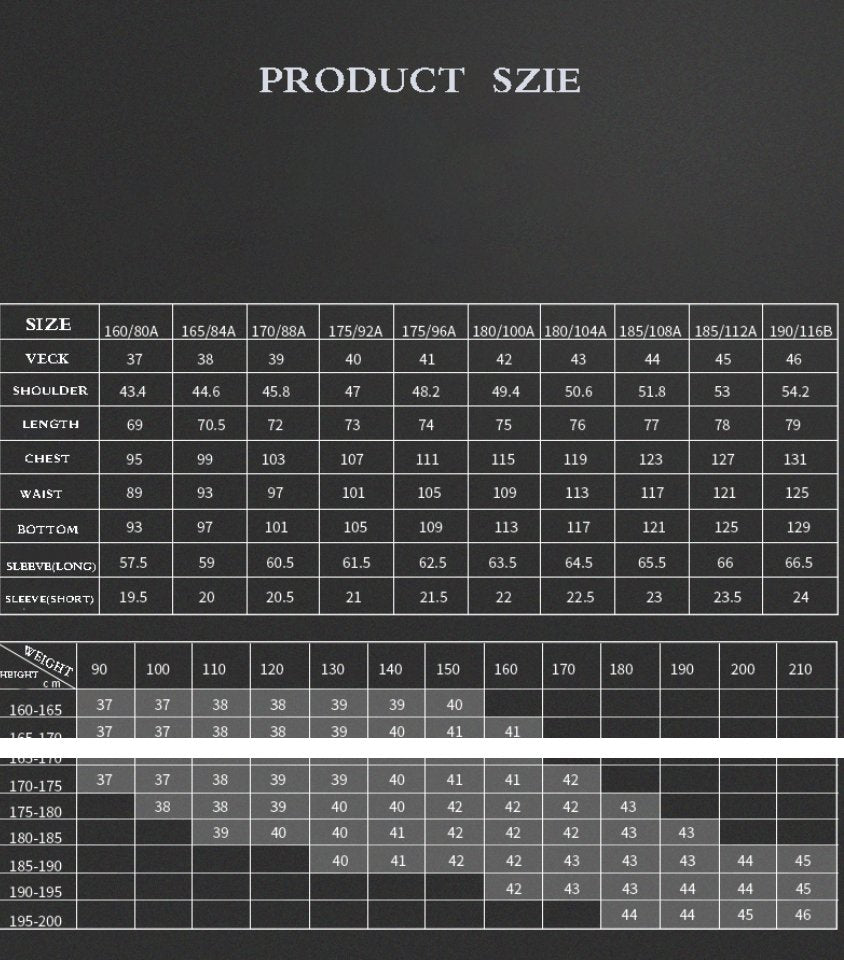
Fit matters too. If you're unsure which cut suits you, our guide on the differences between slim fit and regular fit dress shirts breaks it down.
Shopping online for shirts in Auckland is straightforward when you know your measurements.
Caring for cotton dress shirts comes down to a few habits: read the label, wash cool, air dry, and iron with steam.
Frequently Asked Questions
Can you machine-wash 100% cotton dress shirts?
Most 100% cotton dress shirts can go in the machine, but check the care label first. Use a gentle or delicate cycle with cold water, fasten the buttons, and turn the shirt inside out to protect the fabric and stitching. Skip the spin cycle at high speeds and never wring the shirt by hand. If the label says dry clean only, follow it, because some finishes and structured collars will not survive a wash.
What temperature should you wash cotton dress shirts at?
Cold water at 30°C or below suits most cotton dress shirts, including white, light and dark colours. Warm water around 40°C is fine for white shirts that need extra cleaning, but hot water increases the risk of shrinkage and colour fading. Keep dark and coloured shirts on cold washes to protect the dye, and always check the care label for the maker's recommended maximum.
How do you stop cotton dress shirts from shrinking?
Wash in cold water on a gentle cycle, avoid a hot tumble dry, and air dry the shirt on a hanger or flat rack away from direct heat. Cotton shrinks most when it meets heat and agitation together, so a low-spin wash followed by line drying keeps the fit closer to original. If you must use a dryer, choose the lowest heat setting and remove the shirt while it is still slightly damp.
How should you store cotton dress shirts to prevent wrinkles?
Hang shirts on a shaped hanger with space between them so air can move, and button the top button to keep the collar in shape. Avoid cramming shirts into a full wardrobe, which presses creases into the cotton. For travel, roll the shirt loosely or fold it with tissue paper at the collar and cuffs, then unpack and hang it as soon as you arrive.
