How to Dress for Black Tie: A Complete Guide

Table of Contents
- What Is Black Tie?
- Black Tie for Men: The Essentials
- Black Tie for Women: Dress Code Guidelines
- Essential Fabrics and Materials
- How to Style Cufflinks and Pocket Squares
- Tuxedo vs Suit for Formal Events
- Black Tie Optional Dress Code Explained
- Common Mistakes to Avoid
Last Updated: August 27, 2026
What Is Black Tie?
Black tie is a formal dress code requiring a dinner jacket, formal trousers, and a bow tie for men, and an evening gown or formal cocktail dress for women. It represents one of the most recognisable standards of formal attire, typically worn to galas, formal dinners, weddings, and prestigious events. The dress code sits between "cocktail" (less formal) and "white tie" (most formal), making it the default choice for upmarket evening occasions.
The term "black tie" itself refers to the mandatory bow tie, which has become the visual anchor of the entire ensemble. Contrary to what many assume, black tie isn't just about wearing dark colours, it's about precision, tailoring, and adhering to specific conventions that have remained largely consistent for over a century. Understanding these conventions isn't about rigid rules; it's about showing respect to the occasion and the host through thoughtful dressing.
At SimonVon Shop, we've helped countless guests and groomsmen navigate black tie requirements with confidence. Whether you're attending a formal wedding, corporate gala, or school ball, knowing exactly what black tie demands removes the guesswork and lets you focus on enjoying the event.
Black Tie for Men: The Essentials
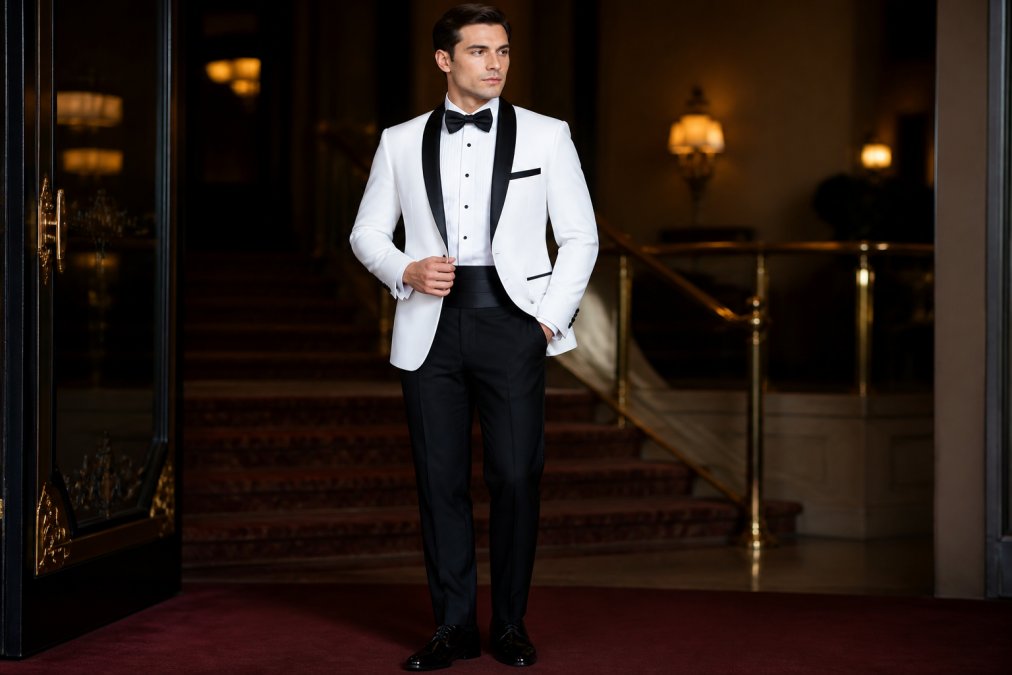
Dressing for black tie as a man requires five core components: the dinner jacket, formal trousers, a white dress shirt, a bow tie, and appropriate footwear. Each element serves a purpose and contributes to the polished, cohesive look that defines the dress code. The key is understanding not just what to wear, but why each piece matters and how to select quality pieces that will last through multiple occasions.
The Dinner Jacket and Trousers
The dinner jacket, also called a tuxedo jacket, is the centrepiece of black tie. It's a single-breasted or double-breasted jacket in black or midnight blue, distinguished by grosgrain lapels (either notch or peak style) and satin or grosgrain side stripes running down the outer leg of the trousers. The jacket should fit snugly through the shoulders and chest, with sleeves ending just at the wrist bone. The length should hit mid-hip, creating a clean vertical line.
The trousers that accompany the dinner jacket must have a satin stripe running down the outside seam of each leg. These aren't regular suit trousers, the stripe is a defining feature of black tie. The fit should be trim through the thigh and taper slightly toward the ankle, sitting flat on your shoe with no break or bunching. Many men make the mistake of choosing trousers that are too loose, which undermines the entire formal effect.
Quality matters here. A well-tailored dinner jacket in premium fabric will drape elegantly and maintain its shape through repeated wear. SimonVon Shop offers carefully selected dinner jackets in both classic black and sophisticated midnight blue, ensuring you have options that suit your complexion and the formality of your event. The Checked Dark Grey Suit at $207.00 provides a versatile foundation that works across multiple formal occasions.
Formal Shirt and Bow Tie
The dress shirt for black tie must be white, crisp, and feature either a marcella bib front or a pleated front. A marcella bib is a structured panel of raised texture covering the chest, it's more formal and traditional. French cuffs (double cuffs that fold back and fasten with cufflinks) are the standard, though some formal shirts feature a single-button cuff. The collar should be a turndown style, never a spread collar or wing collar.
The bow tie is non-negotiable and should be black, matching the formality of the dinner jacket. Pre-tied bows are acceptable for those uncomfortable tying their own, though a self-tie bow is considered more elegant. The bow should sit snugly at the neck without appearing too loose or too tight, it's a subtle detail, but one that guests will notice.
Waistcoat and Cummerbund
A waistcoat or cummerbund serves both practical and aesthetic purposes: it covers the gap between the dinner jacket and trousers, and it adds visual interest to the formal ensemble. A black or midnight blue waistcoat is traditional and pairs seamlessly with any dinner jacket. A cummerbund, a broad sash worn around the waist, offers an alternative that's equally formal. The choice between the two often comes down to personal preference and body type; some men find a structured waistcoat more flattering, whilst others prefer the sleek simplicity of a cummerbund.
SimonVon Shop specialises in stylish waistcoats and coordinated vest sets that transform a basic dinner jacket into a complete, sophisticated look. These pieces are designed to fit precisely and complement the overall silhouette, ensuring you look polished from every angle.
Black Tie for Women: Dress Code Guidelines
For women, black tie typically calls for a floor-length evening gown or a formal cocktail dress. The dress should be in a solid, sophisticated colour, black, navy, deep burgundy, or jewel tones are traditional choices, though modern black tie has become more flexible with colour. The gown should be made from formal fabrics like silk, crepe, chiffon, or tulle, and the cut should be elegant without being overly revealing.
The key distinction is formality. A black tie gown differs from a cocktail dress in length (floor-length is standard) and fabric weight (heavier, more structured materials are preferred). Jewellery should be understated, a simple pendant or drop earrings rather than chunky statement pieces. Shoes should be elegant heels in black, metallic, or a colour that coordinates with the gown. A clutch or small evening bag completes the look.
Many women make the mistake of overthinking black tie. The goal isn't to stand out; it's to dress with sophistication and respect for the occasion. A well-fitted floor-length gown in a timeless colour will always be appropriate, regardless of current fashion trends.
Essential Fabrics and Materials
Black tie demands specific fabrics that communicate formality through texture and finish. Understanding these materials helps you make informed choices when selecting pieces.
Wool is the foundation of most dinner jackets and formal trousers. High-quality wool is breathable, drapes beautifully, and develops a subtle sheen with wear (peer-reviewed research). Look for a tight weave and substantial weight, lightweight wool will appear cheap and won't hold its shape.
Silk appears in grosgrain lapels, satin stripes, and bow ties. It's lustrous, formal, and immediately signals quality. Silk requires careful handling but rewards you with unmatched elegance.
Cotton is essential for formal dress shirts. Pure cotton or cotton-blend shirts breathe well and hold a crisp finish. Marcella bibs are traditionally 100% cotton, creating that distinctive raised texture.
Velvet has gained popularity in modern black tie for waistcoats and bow ties, adding subtle depth and visual interest. It's luxurious without being ostentatious.
Synthetic blends (polyester, viscose, nylon) are increasingly common in formal wear. They're durable, easier to care for, and often more affordable than pure natural fibres. Quality blends can rival natural materials in appearance and feel.
The mistake many men make is prioritising cost over fabric quality. A dinner jacket in thin, low-quality wool will look visibly cheaper than one in premium fabric, no matter how well it's tailored. Investing in better materials pays dividends in longevity and appearance.
How to Style Cufflinks and Pocket Squares
Cufflinks and pocket squares are the jewellery of formal wear, subtle details that demonstrate attention to grooming and an understanding of dress code nuance. These accessories elevate a basic dinner jacket ensemble into something truly polished.
Cufflinks fasten French cuffs and come in countless styles, from simple silver to ornate designs. For black tie, choose understated elegance: silver, gold, or mother-of-pearl in classic shapes. Avoid anything too trendy or novelty-oriented. The cufflinks should complement your watch and other jewellery without competing for attention.
Pocket squares sit in the jacket's breast pocket and add a subtle pop of colour or texture. For traditional black tie, a white or black silk pocket square is safest. For modern black tie, you can introduce colour, a burgundy, navy, or patterned square adds personality without breaking formality. The fold matters: a simple triangle or the "TV fold" (a neat rectangle) is more formal than elaborate folds.
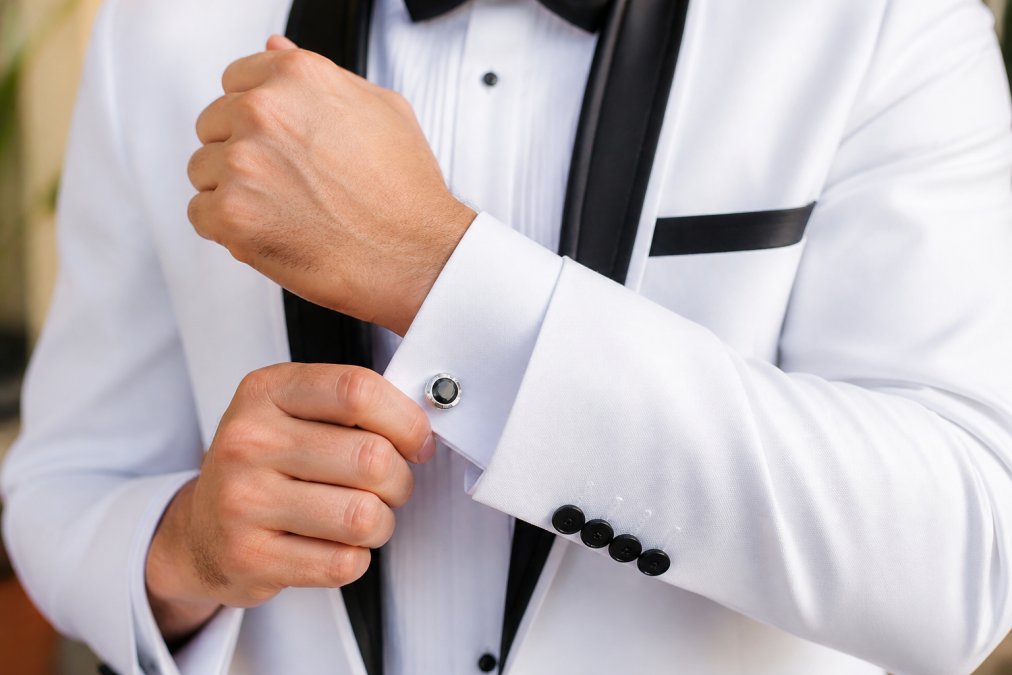
SimonVon Shop offers a comprehensive range of cufflinks and pocket squares in classic and contemporary styles, allowing you to personalise your black tie look whilst maintaining formality. These accessories are where individual taste meets dress code convention.
Tuxedo vs Suit for Formal Events
The distinction between a tuxedo and a suit for formal events is crucial. A tuxedo, the dinner jacket with satin-striped trousers, is specifically designed for black tie and formal evening wear (smithsonianmag.com). A suit, by contrast, is a daytime or business garment, typically featuring a business jacket and matching trousers without the satin stripe or grosgrain lapels.
When to wear a tuxedo: Black tie events, formal dinners, galas, upmarket weddings, school balls, and any occasion where the dress code explicitly states "black tie" or "formal."
When a suit suffices: Business meetings, casual weddings, cocktail events, and daytime formal occasions. A suit is less formal than a tuxedo and signals a different context.
The mistake many men make is wearing a suit to a black tie event, thinking formality is about the colour or material rather than specific components. A black suit, no matter how expensive, is not a substitute for a proper tuxedo with grosgrain lapels and satin-striped trousers. The details matter because they communicate respect for the dress code.
For those attending multiple formal events, investing in a proper dinner jacket is worthwhile. SimonVon Shop's range of blazers and formal jackets, including options like the Blue Men's Suit Jacket Slim Fit Coat at $180.00, provides versatility for both formal and business contexts.

Black Tie Optional Dress Code Explained
"Black tie optional" is a common phrase that confuses many guests. It means black tie is encouraged but not mandatory, you can wear black tie if you wish, or you can dress in smart cocktail attire instead.
The key is understanding the spirit of the event. If the majority of guests are wearing black tie, wearing cocktail attire risks looking underdressed. Conversely, if most guests are in cocktail dress, black tie might appear overdone. When in doubt, err toward black tie, it's always more appropriate to be slightly overdressed than underdressed.
For men, "black tie optional" means you have the choice between a full dinner jacket ensemble or a smart suit with dress shirt and tie. For women, it's the choice between a floor-length gown or an elegant cocktail dress. The guiding principle is sophistication: whatever you choose should be refined and appropriate to the occasion's formality level.
Many hosts include "black tie optional" because they want to accommodate guests who don't own formal wear or prefer not to dress formally. If you do own black tie attire, wearing it demonstrates respect for the event and the host.
Common Mistakes to Avoid
Several errors undermine an otherwise respectable black tie appearance. Being aware of these pitfalls helps you navigate formal dressing with confidence.
Incorrect trouser fit is widespread. Trousers that are too loose, too short, or bunching at the ankles immediately signal unfamiliarity with black tie. The satin stripe should be clearly visible and sit flush against the leg.
Mismatched formality occurs when one element of the ensemble is significantly more or less formal than others. Pairing a quality dinner jacket with cheap trousers, or vice versa, creates visual discord. Every component should reflect similar quality and formality.
Visible shirt cuffs beyond the jacket sleeve is a common tailoring issue. The dress shirt cuff should be visible by approximately half an inch when your arm is at rest, no more. This requires proper jacket sleeve length and tailoring.
Shiny or novelty fabrics in the dinner jacket undermine formality. Black tie calls for matte or subtly lustrous fabrics, not anything that appears plastic or artificially gleaming.
Incorrect bow tie knot or a pre-tied bow that sits at an odd angle makes the entire ensemble look careless. If you're uncomfortable tying a bow, practice beforehand or opt for a quality pre-tied version.
Shoes that aren't formal enough, wearing standard leather dress shoes instead of patent leather or formal evening shoes, signals a lack of attention to detail. Black tie shoes should be glossy and refined.
Over-accessorising with multiple rings, bracelets, or a heavy watch distracts from the formality of the ensemble. Black tie calls for restraint and understated elegance.
Dressing for black tie successfully means understanding that formality is built through precision, quality, and respect for convention. Every element, from the grosgrain lapels to the satin-striped trousers to the carefully chosen pocket square, contributes to a cohesive, sophisticated appearance.
SimonVon Shop has made this process simpler by curating a complete range of black tie essentials, from premium dinner jackets to coordinated waistcoats and comprehensive formal accessories. Whether you're a groom preparing your wedding party, a student attending a school ball, or a professional heading to a corporate gala, we've designed our collection to help you achieve that polished, confident look. Explore our selection of formal blazers and suit options to find pieces that work for your body type and budget. Get started with SimonVon Shop and step into any formal occasion with genuine confidence.


Frequently Asked Questions
Can I wear a normal business suit to a black tie event?
No. A standard business suit does not meet black tie requirements. Black tie demands specific elements: a dinner jacket with grosgrain or satin lapels, a white marcella bib shirt, and a bow tie. A regular suit jacket lacks the formal lapel styling and sheen required. The distinction matters, black tie is formal evening wear, not daywear. If you're unsure whether your invitation permits alternatives, check for 'black tie optional' notation.
What should you avoid wearing to a black tie event?
Avoid coloured dinner jackets, regular neckties, casual shoes, and mismatched fabrics. Don't wear a cummerbund with a waistcoat together, and skip patterned dress shirts, white or ivory only. Avoid visible jewellery beyond cufflinks and a watch, and never wear short socks that expose leg when seated. Steer clear of unpolished or scuffed shoes, and don't mix metallic finishes on accessories. Casual fabrics like cotton twill or unstructured materials also break the code.
What colour should a woman wear to a black tie event?
Black, navy, deep jewel tones (emerald, sapphire, burgundy), silver, or gold are classic choices. Floor-length gowns in these colours project elegance and formality. Avoid bright pastels, white (unless explicitly stated), or casual prints. The fabric should be evening-appropriate: silk, chiffon, crepe, or tulle. Metallics and deep, rich hues photograph well and suit the formal atmosphere. Check the invitation for any specific colour requests, though these are rare for traditional black tie events.
What are the essential components of a traditional tuxedo?
A tuxedo comprises a dinner jacket with grosgrain or satin lapels, matching trousers with a satin stripe down the leg, a white formal shirt (often with a marcella bib and French cuffs), a black bow tie, and a cummerbund or waistcoat. Patent leather shoes or polished black dress shoes complete the ensemble. Optional but traditional additions include cufflinks, studs, and a pocket square. The entire outfit should be black or midnight blue, with white as the only contrasting colour in the shirt.
How does black tie optional differ from standard black tie?
Black tie optional gives guests flexibility. While full black tie is encouraged, a dark business suit with a dress shirt and tie is acceptable. Standard black tie is mandatory, no substitutions. With black tie optional, you can wear a dinner jacket and bow tie for full formality or a well-tailored dark suit with a regular tie for a less formal approach. The phrase signals that the event is formal but not rigidly so, allowing guests to choose their comfort level within formal dress parameters.
How do I know if my formal wear is high quality when buying online?
Check fabric composition, premium dinner jackets use wool blends or polyester-viscose combinations that hold shape and drape well. Look for details like grosgrain lapels, satin stripes on trousers, and proper seam construction. Read customer reviews mentioning fit accuracy and durability. Reputable retailers like SimonVon Shop provide detailed fabric descriptions and sizing guides. Request measurements if uncertain, and confirm the return policy before ordering. High-quality formal wear should feel substantial, not flimsy, and colours should be rich black or midnight blue, not faded.
What's the difference between a dinner jacket and a regular blazer?
A dinner jacket (tuxedo jacket) features grosgrain or satin lapels and a satin stripe down the outside leg seam, creating a formal sheen. Regular blazers have notch lapels and no special detailing. Dinner jackets are always black or midnight blue; blazers come in many colours. The dinner jacket is cut for formal evening wear with a specific silhouette, while blazers work for business or casual occasions. For black tie, only a dinner jacket qualifies, a regular blazer, regardless of colour, does not meet the dress code.
This article was written using GrandRanker